Long-form essays on landscape, return, and the places that form the people who move through them.
A reflection on Larry Rosenberg’s words, the pressure to feel better on a retreat, and choosing a journey with room for uncertainty.
Ahmet Can Yeşildağ
The ash reached Malta first, so we took the ferry to see where it came from. Warm lava, combed pines, roadside pistachios, and what a hotelier would tell a guest planning Etna in 2026.
Fifty places around the world that change how you feel for an hour, sorted by what they do to you: heat, cold, water, darkness, rocking, sound, air, hands. One checked fact each, a price where published, and the detail the brochure leaves out.
Hotels now sell moods: a nap in a silk hammock, a burial in warm sand, two hours of being a baby again. Eight of them, read by a hotelier, with the detail the brochure leaves out.
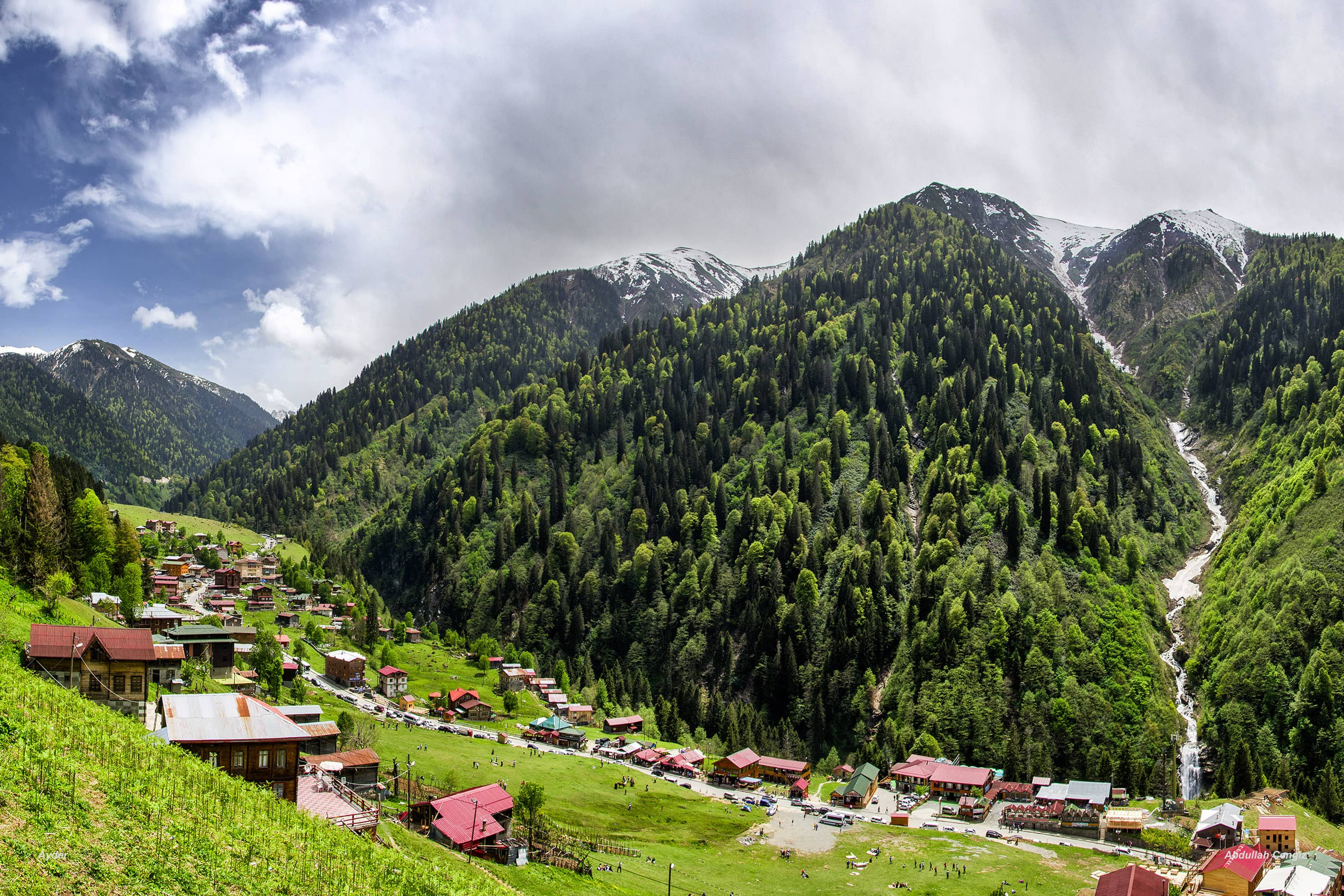
Ayder reopened its hot spring in September 2026. What the new bath, road and prices mean, and why the quieter plateaus above are the real destination.
A mood is not a place. It is a sequence: anticipation, effort, warmth, a shared table, time to linger. Five settings that get the order right.
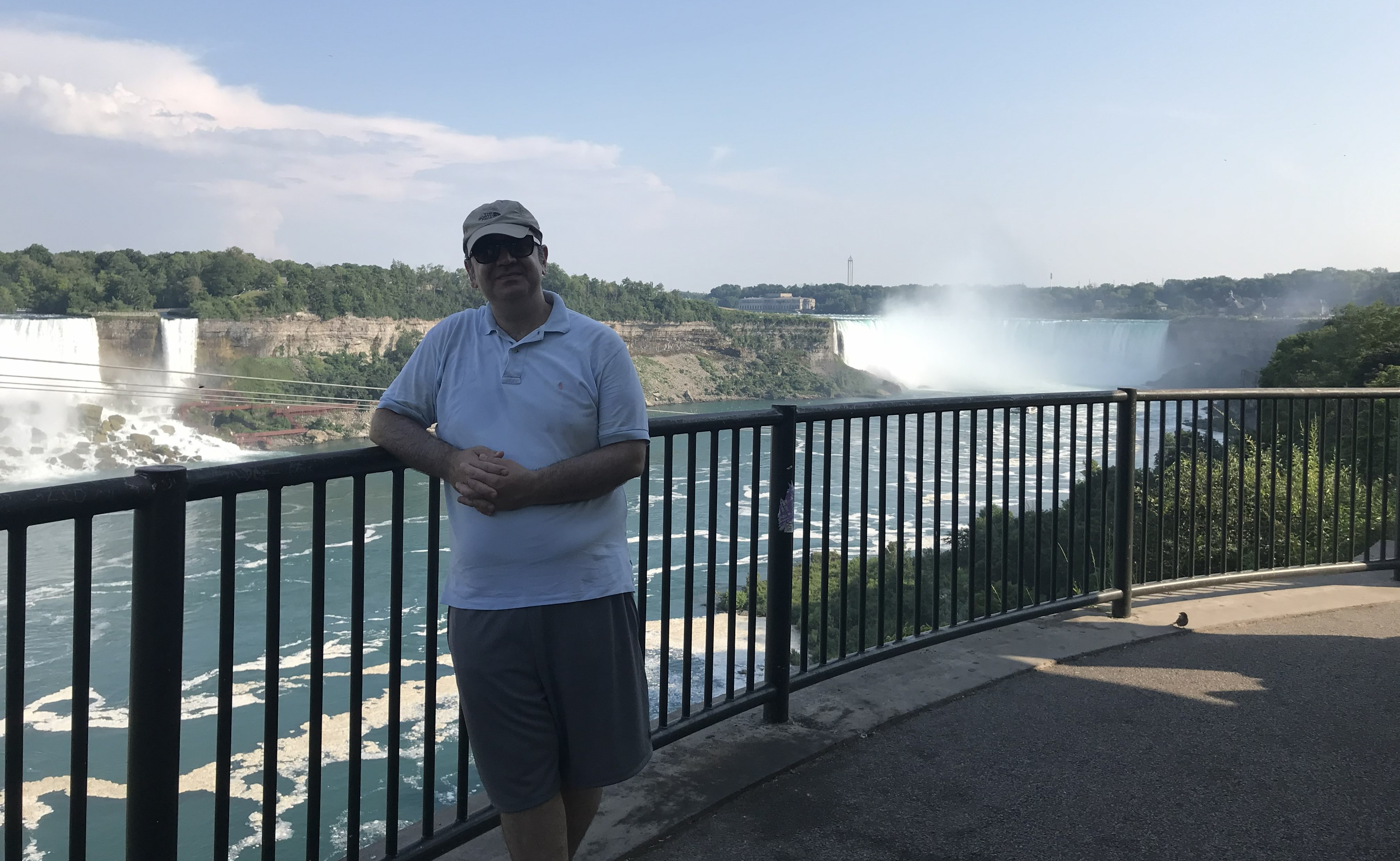
Niagara Falls is sold as nature at full volume. The water is real, its daytime flow is set by a 1950 treaty, and the town around it is busy. How to find the quiet hour.
Capilano Suspension Bridge is sold online as a fairytale forest. The bridge is real, the trees are real, and so are 1.2 million visitors a year. How to find the quiet hour.
Hot, warm, cold: Roman baths were built around those three temperatures, and the hammam kept the heat. What the research supports, what it does not, and how to bring the sequence home.
Historic hamams, Japanese baths and modern recovery spaces, read together: what they preserve, how they are run, and seven questions to ask before you book.
What will you bring home besides photographs? Nine ways to make room for movement, curiosity, company and quiet during a journey and after it.
Start with the habit you keep putting off, not the place you fancy. Thirteen habits, the places where each is ordinary life, and the Ontario version that keeps it going at home.
Eight questions to ask before you book your next trip: breath, walking, water, focus, the view, sleep, company and one unbooked afternoon, each with one book to read first.
The books I would put in a friend's pack: walking as a way of thinking, the mountain shelf, journeys on foot, and the practical guides for the trail.
Djokovic hosts three days at Amanjena this December. What the announcement leaves out, and six questions a hotelier puts to any hosted retreat before booking.
The same yamabushi training at Haguro is listed twice by Japan's tourism offices: once as an inventory, once as a promise. What a single word costs a practice.
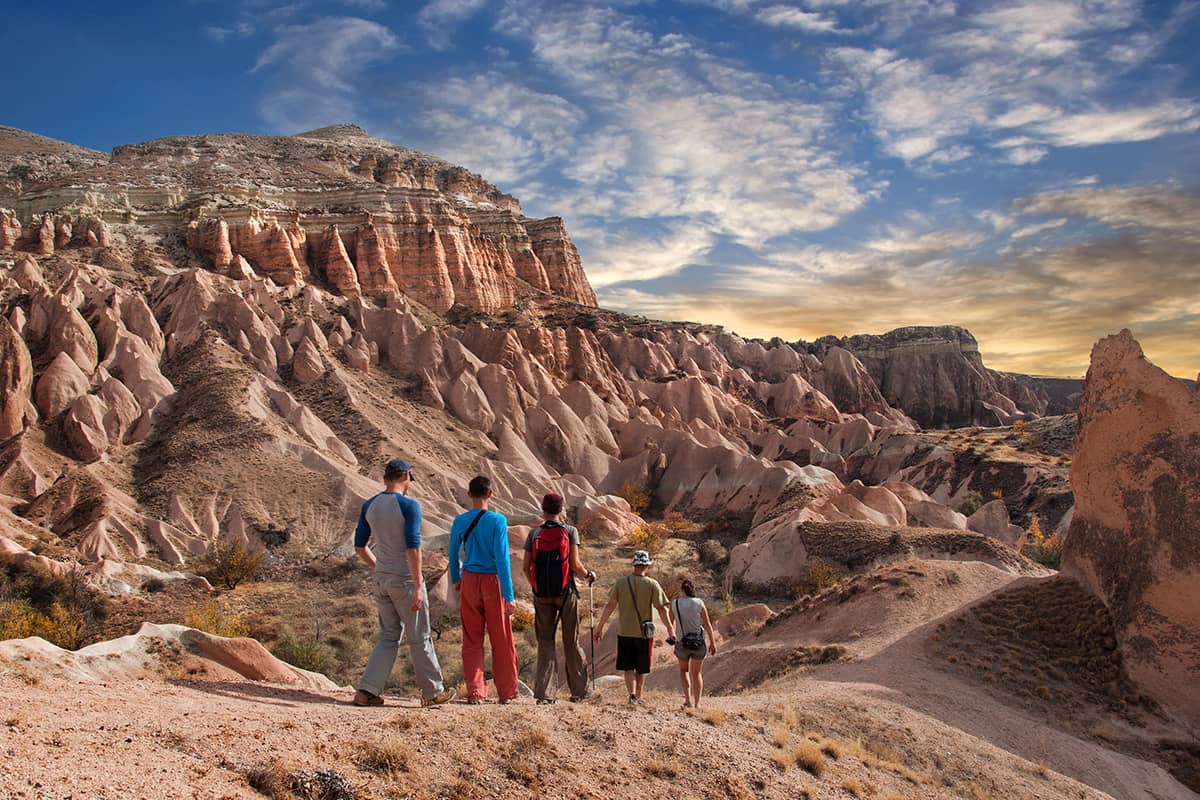
Rooms cut into volcanic tuff hold their temperature through August and January alike. Three nights in Cappadocia spent mostly in stone, and the case for sleeping inside a mountain.
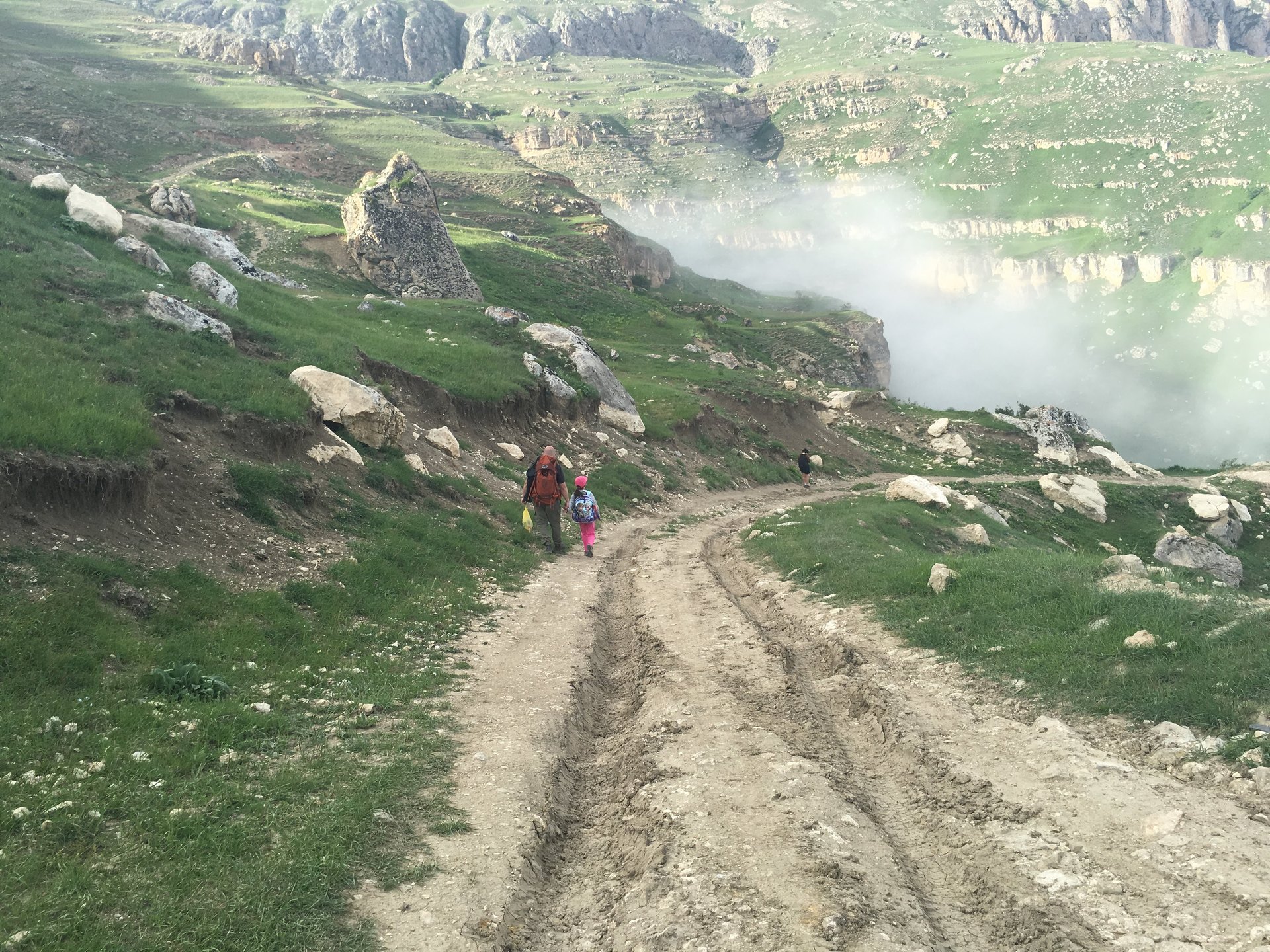
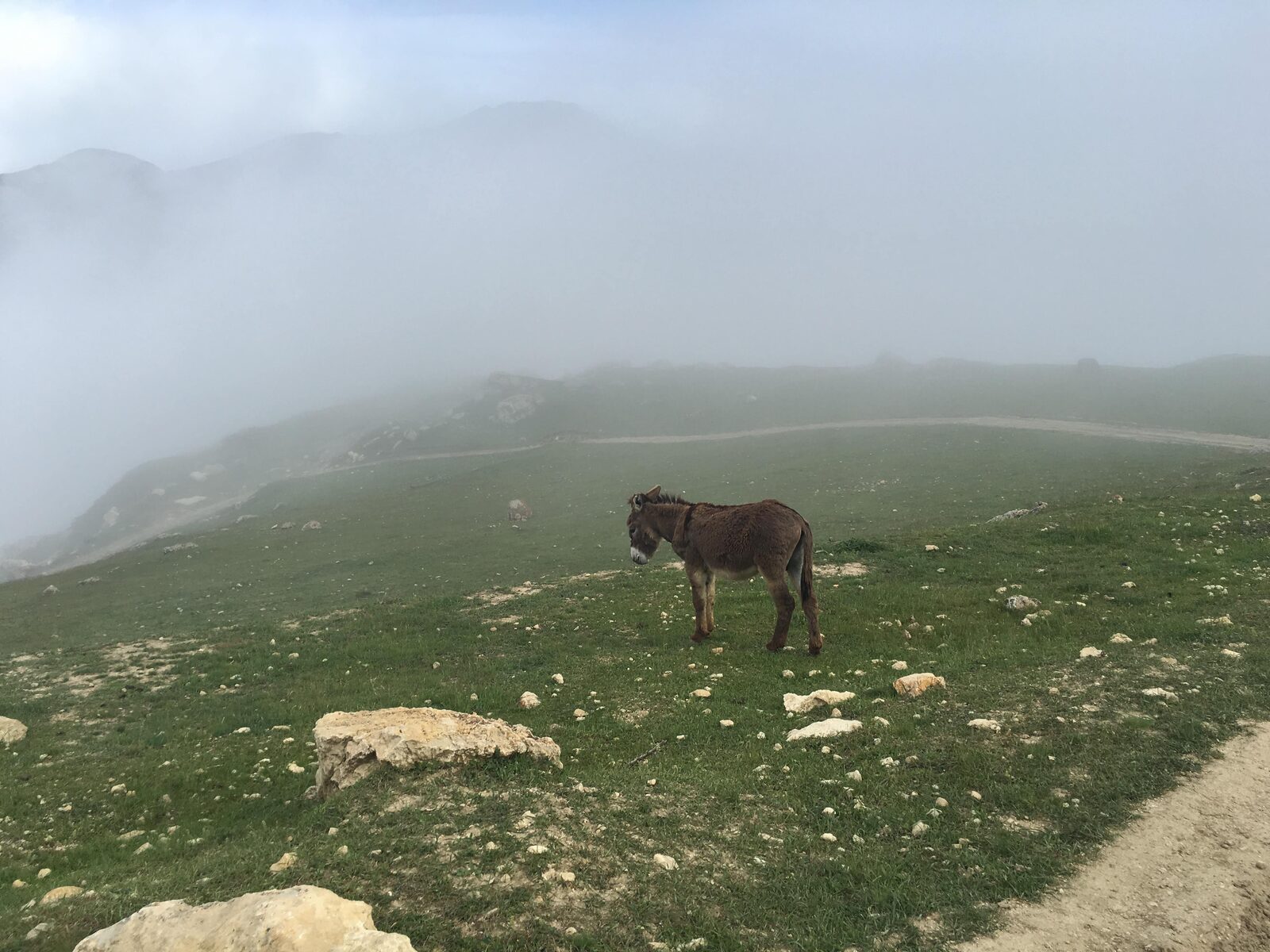
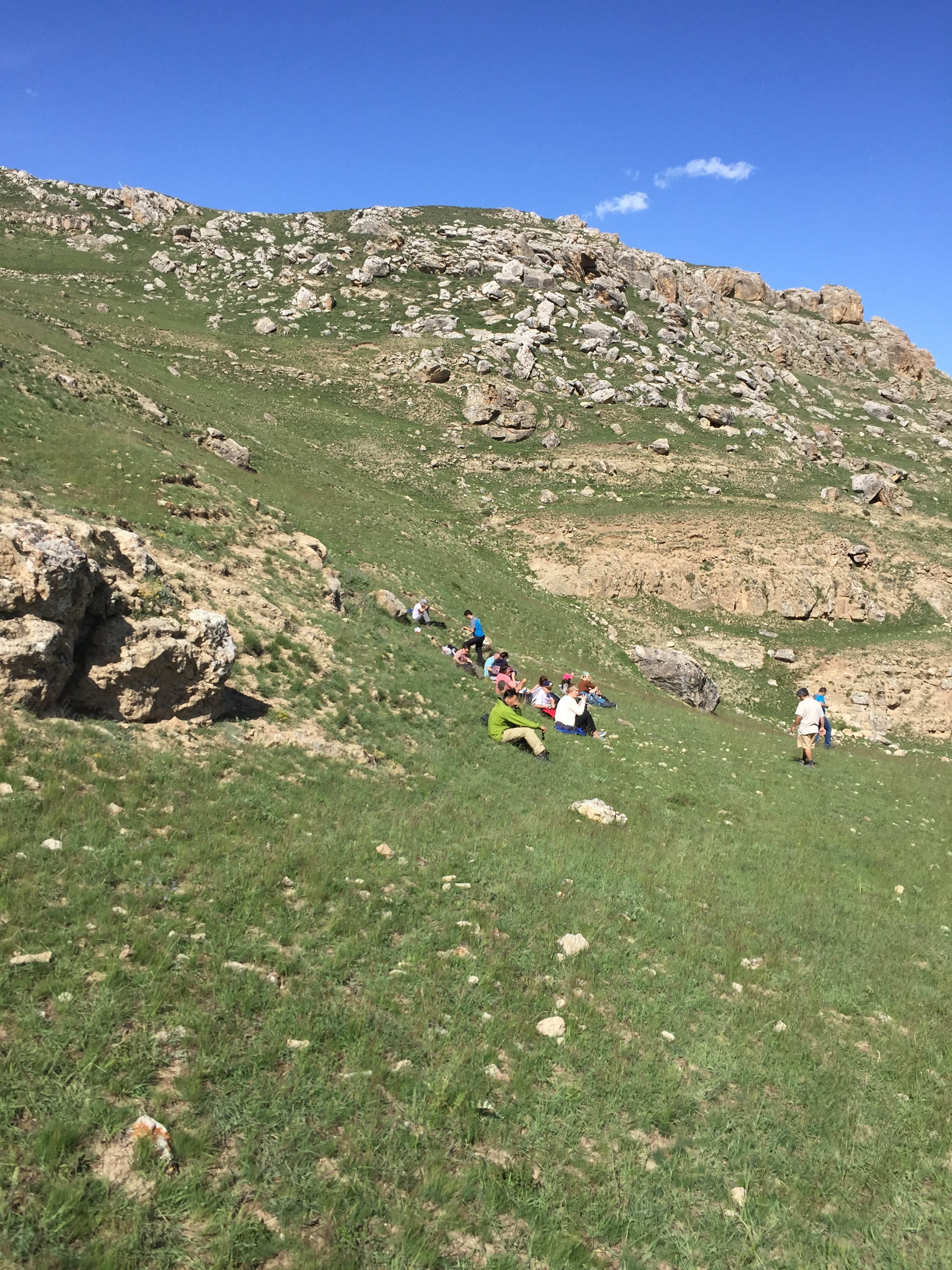
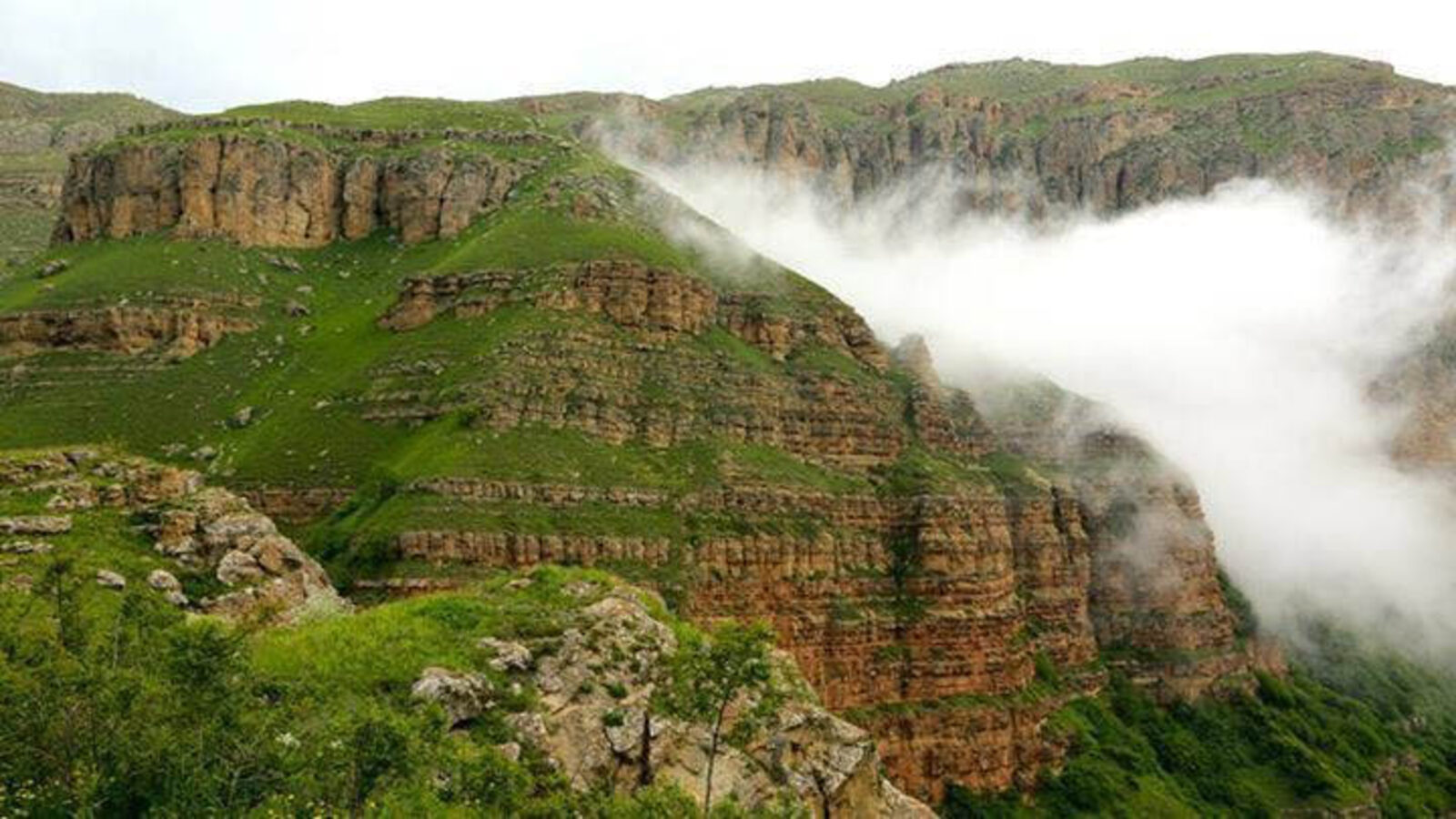
Twenty years away, then the road up the Fırtına valley to the pastures above Ayder. Transhumance, mist, a fifty-degree spring, and what the high yayla asks of a returning son.
What cold water actually does to the body — and why a mountain river entered slowly is the honest version of a thing the internet sells as a feat of will.
Born on the water between two continents: a strait whose name means 'crossing,' whose current runs both ways at once — and what that taught me about what a week away is for.
Three dawn walks under a thousand-year-old plane tree in the village of Tsagarada, on the eastern flank of the Pelion peninsula.
The drive over the Taygetos pass, three days inside the ruined Byzantine town, and the long descent south into the Mani.
"Silent retreat" tests well and searches often. The evidence says the quiet isn't the mechanism — the absence of an audience is. The honest verdict, and what Orophile built instead.
What the research on shinrin-yoku actually says — and why a coniferous forest at altitude does the work a scrolling walk cannot.
Djokovic keeps contending deep into the majors in his late thirties, and every time, someone says age is just a number. It's the wrong lesson.
A landscape has no single active ingredient. John Muir saw why more than a century ago — and it is the whole argument for how I plan a week.
Search for a Himalayan wellness retreat and you meet a sunrise, a singing bowl, and a price. Here is the slower reading: what altitude actually does to a body, and the question to ask first.
“Digital detox” is sold as a cure. The honest version is narrower and far more useful — what unplugging actually does, and the one thing that decides whether it lasts.
Karlovy Vary invented the "spa." The drinking cure is mostly tradition — but the town's real lever is hiding in plain sight, and it works.
Aging is now measurable, and the exposome — where you live, breathe, move and who you sit beside — rivals your genes for how fast you age. The case for treating a journey as an input, not an escape.
Iceland's real wellness infrastructure is not a resort — it is municipal hot water, honest cold, and light that asks a question. What a week there is actually for.
“Restorative travel” and “travel advisory” are both becoming phrases people sell. Here is what they honestly mean — and why putting them in the same sentence is a different way to journey.
Wellness retreats in Azerbaijan, named and priced — Chenot Palace Gabala, Naftalan, Galaalti, the high Caucasus villages — with the evidence tier behind each and the one question to ask before you book.
It will not fix you, and I have stopped pretending otherwise. But put real distance between yourself and the life you are trying to think clearly about, and something does change — where your attention goes. Here is what the evidence shows, and what it does not.
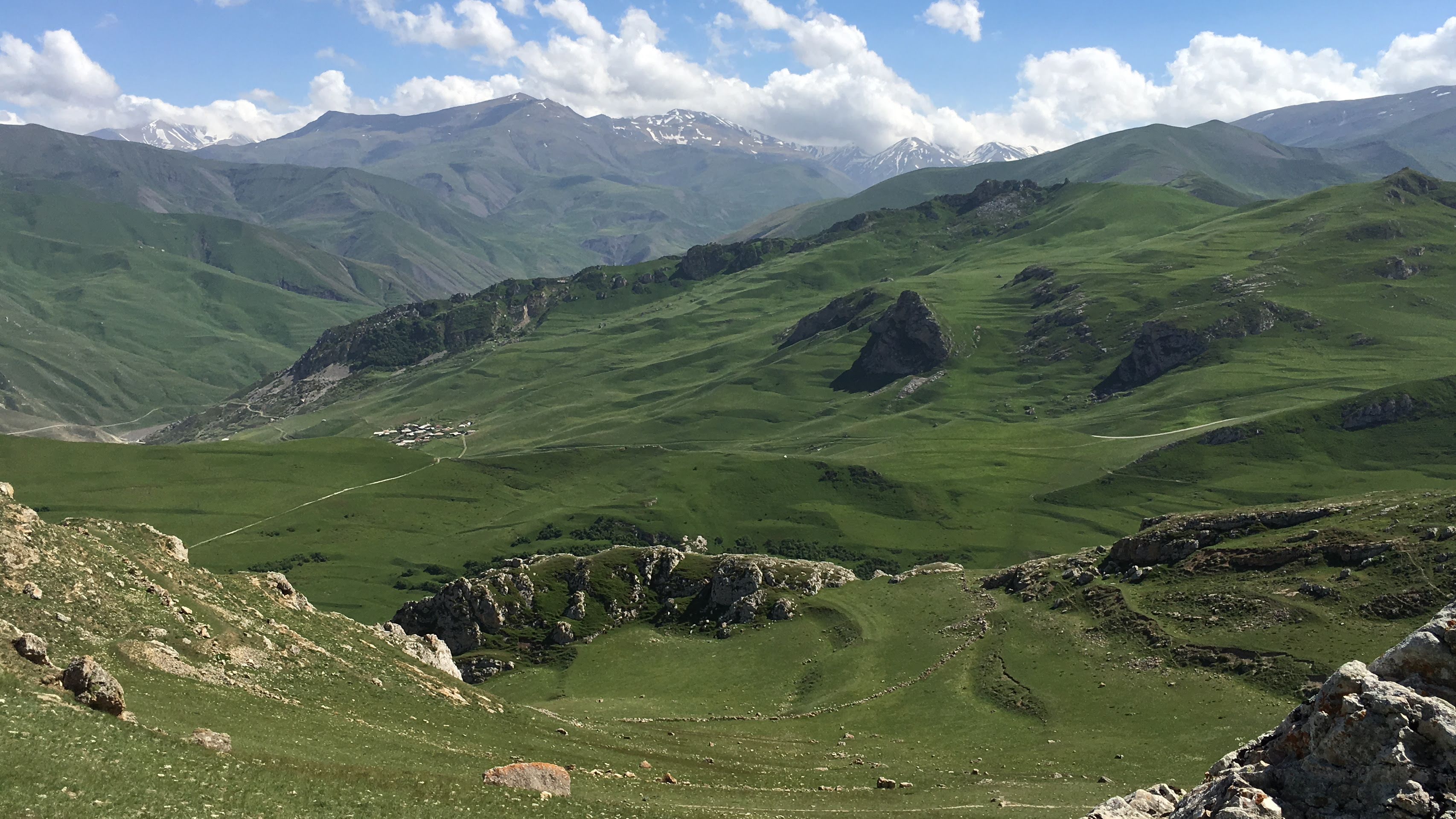
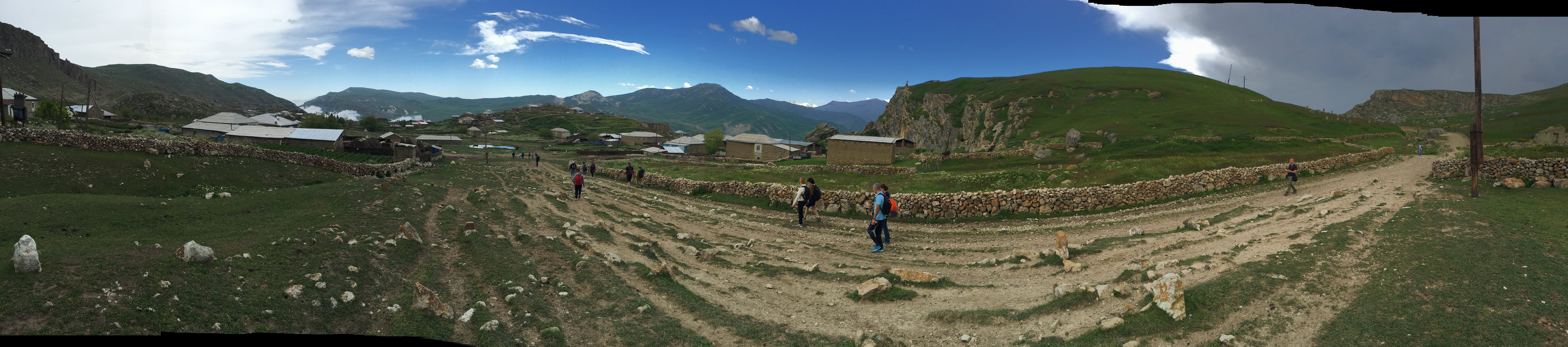
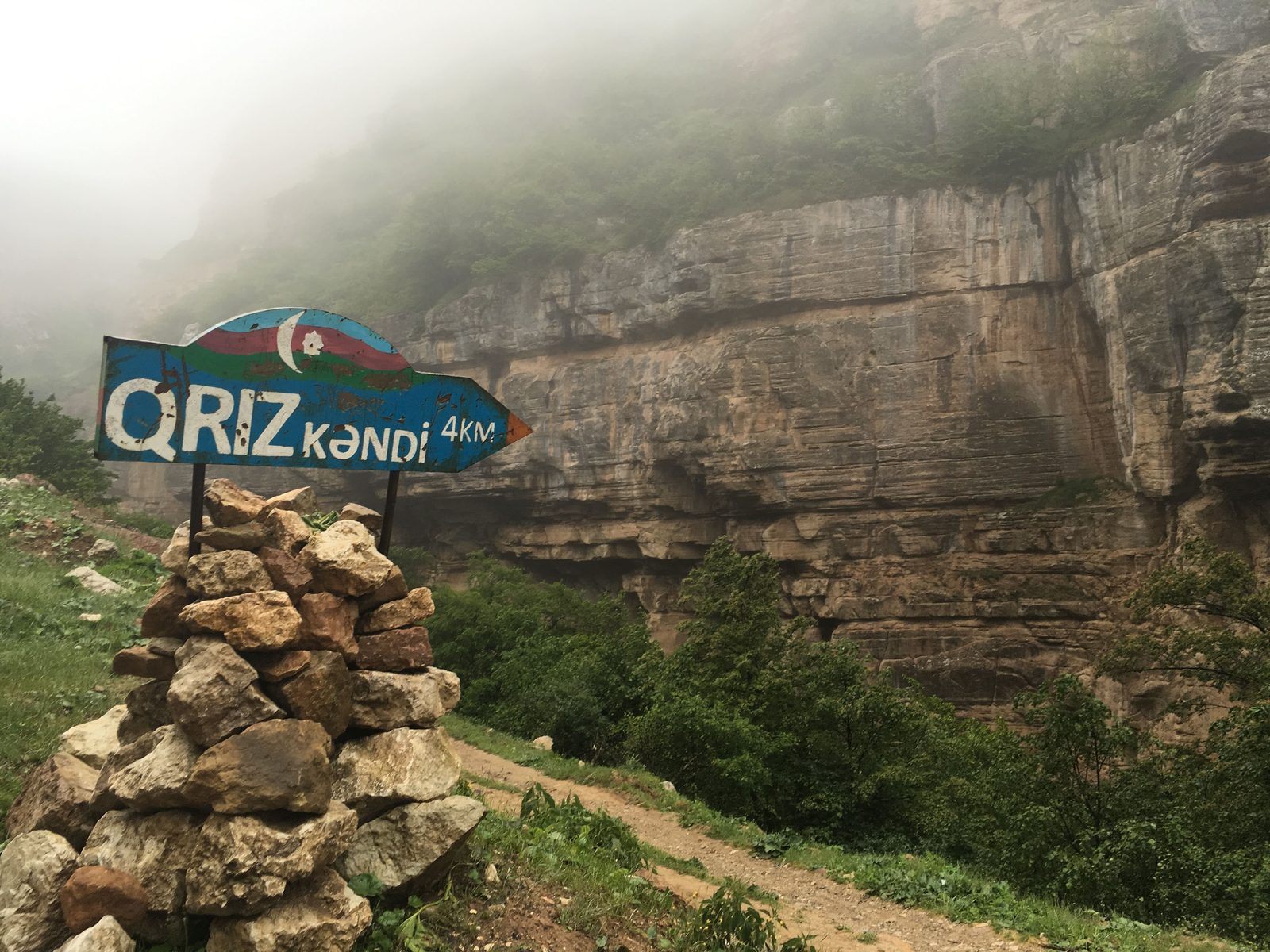
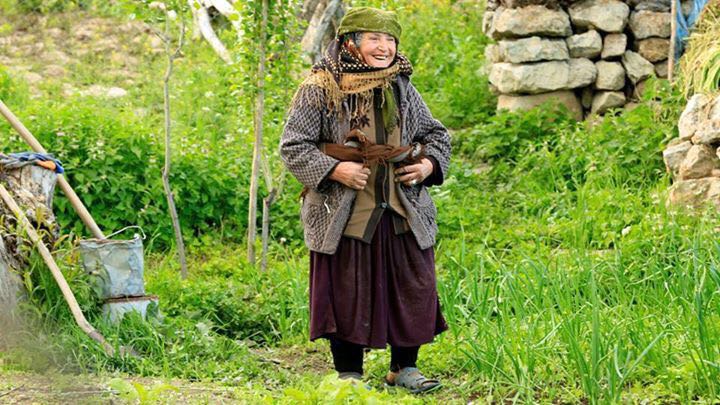
In a stone village in the Quba mountains, a woman told us she was a hundred years old — and laughed as if the question itself were the joke. Ten years later, her garden is still the best argument for the mountain I know. Qırızdəhnə · the high Caucasus, Azerbaijan
A forest week, a thermal circuit, a centuries-old fasting protocol — the industry now sells all of it under one word. Before you book anything labelled longevity, it is worth knowing what the word can honestly carry.
The word orophile means lover of mountains. On walking in indifferent terrain, the baseline a working life quietly strips away, and why the mountain is finally a practice, not a place.
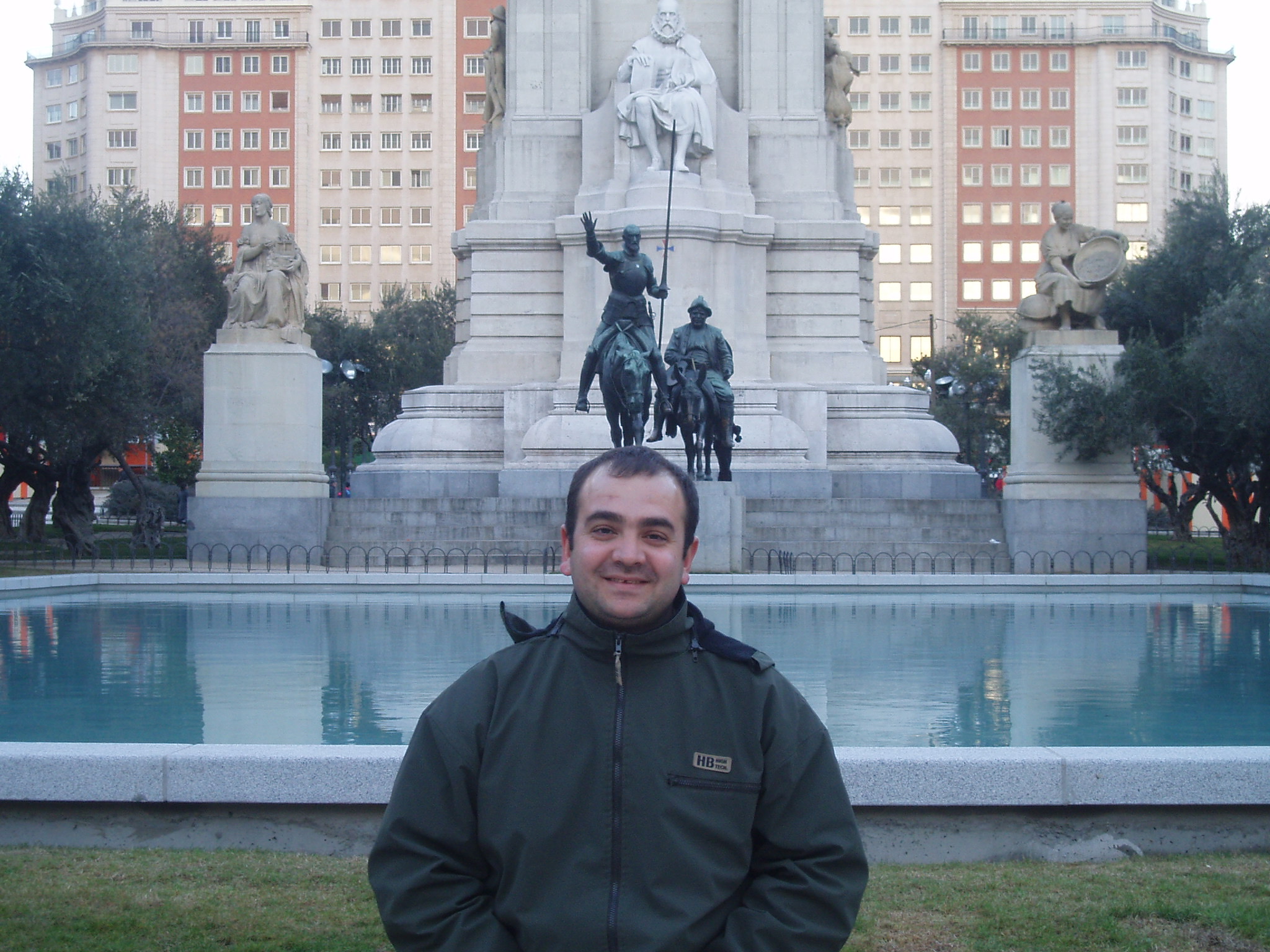
Cervantes put his hero on the road at an age when the village had already filed him under finished. What Don Quixote knows about staying alive is not what the neighbors thought.
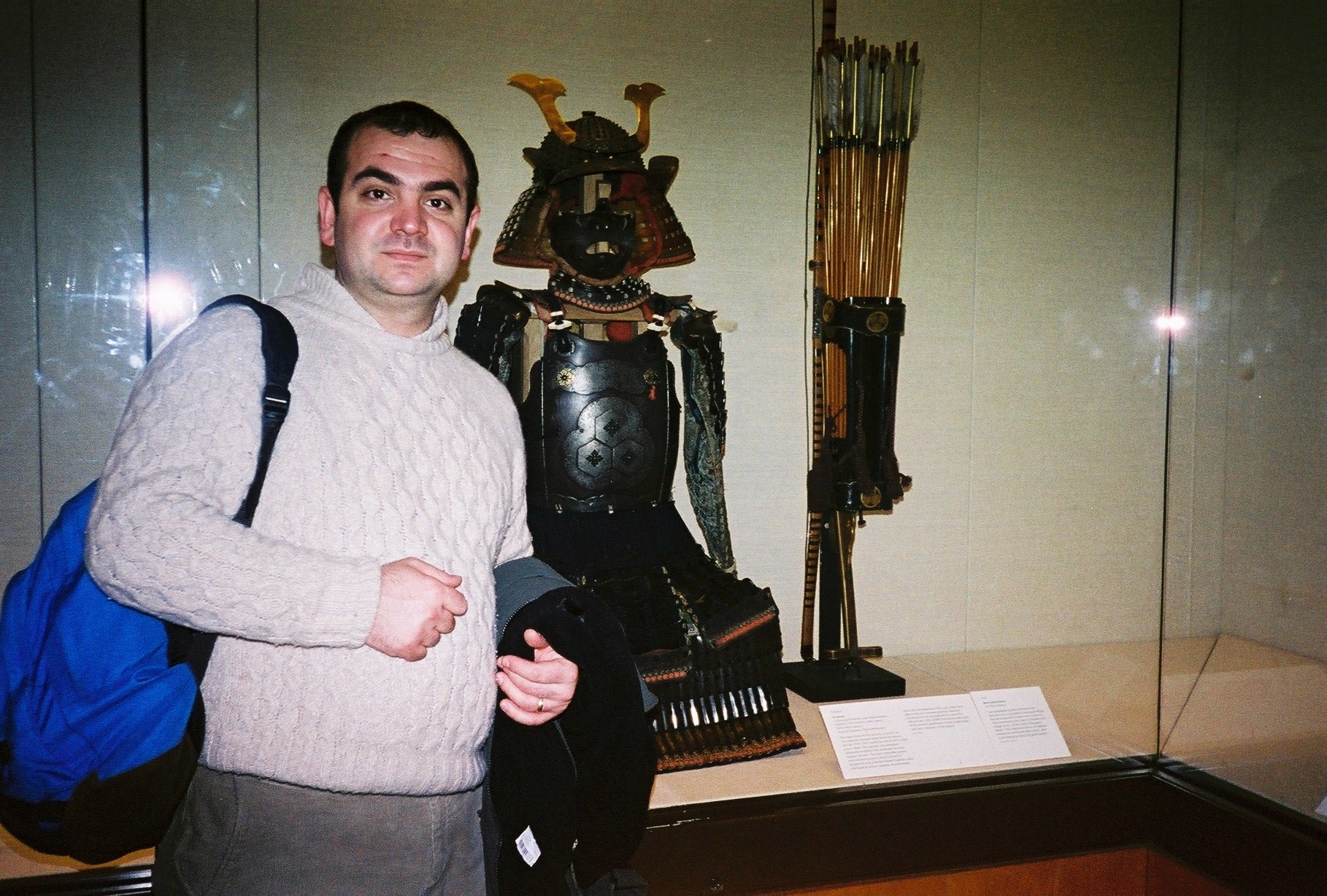
In a photograph from February 2005 I am standing beside the most defended object in the room — a suit of samurai armor, lacquered, crowned, and empty. The armor outlived the man. It always does.
How does a person with no confidence in themselves live a long and healthy life? How does an arrogant, lonely one? Cinema answered before the studies did — longevity runs through courage and connection, and both can change.
Over thirty years in the tourism, travel and hotel industry, and one question that followed me through the lobbies: of everything we promise a tired person, what actually holds? This publication is my attempt to answer it in public.
A week in deep forest, a thermal circuit, a centuries-old fasting protocol — each promises renewal. One question separates the ones that hold from beautiful rest: what will we measure, before and after?
A nature retreat, a healing programme, a week sold as renewal — most leave no proof they happened. One question, asked before you book, separates an intervention from beautiful rest.
Written by one person, who also advises a small number of travellers each year. Begin a first conversation