The Turkish bath is sold to visitors as a photograph: a domed marble chamber, shafts of light through star-shaped holes, a foam massage. The ritual behind the photograph is real and old — a descendant of the Roman bath, refined over Ottoman centuries into a social and physical institution — and experienced properly it does, quietly, what contrast-therapy clinics now charge a fortune to replicate. Read honestly, İstanbul has the great historic hamams of the world, and also the most touristed; the craft is in choosing well and surrendering to the form.
What the ritual actually does
A real hamam is a sequence, not a treatment you watch. You warm slowly on the göbektaşı, the heated marble navel-stone at the centre of the hot room (the hararet); an attendant scrubs you with a coarse kese mitt; then the foam wash, a soaping massage, and the cool-down. Heat, then cool; effort surrendered to someone else’s hands; no phone, no choice. The contrast and the enforced stillness reset the nervous system — the same logic as sauna-and-plunge, in a five-hundred-year-old room.
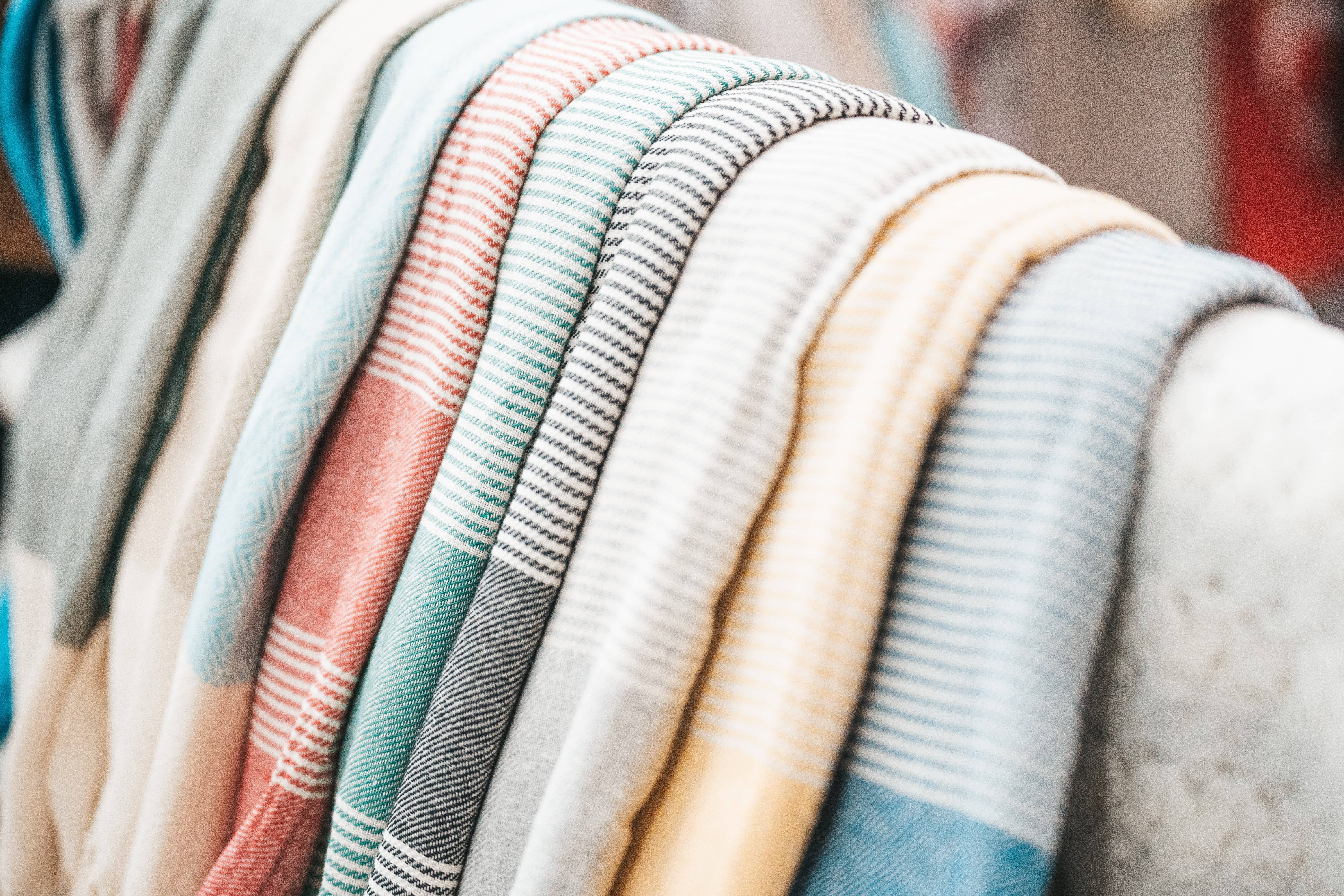
The peştemal — the woven cloth the whole ritual is wrapped in.
Where it’s real
The great Ottoman hamams are architecture in their own right: Çemberlitaş (1584, by Mimar Sinan), Cağaloğlu (1741, the last grand imperial hamam), Kılıç Ali Paşa (Sinan again, beautifully restored), Süleymaniye. They are genuine and worth seeing — and also the most touristed and most expensive, the ritual sometimes performed at speed for a queue. For the quieter, truer version, a good neighbourhood hamam gives you the same form without the audience; knowing which is exactly the kind of judgment worth having.
The honest caveat
Two. The famous central hamams can feel like a conveyor — beautiful rooms, rushed service, tourist pricing; book the right hour, or choose a local bath, and the ritual breathes again. And the “five-star hotel hamam” is usually spa-theatre in hamam costume — pleasant, but not the tradition. The real thing is plainer, hotter, and better.
Who it’s for — and who it isn’t
For someone who wants the genuine ritual — heat, scrub, contrast, surrender — and the city as part of the cure; who would rather a five-century-old marble room than a hotel treatment table. Less suited to anyone wanting a soft, scented spa hour — the hamam is hotter, rougher and more honest than that, and that is the point.
The habit this place teaches
The weekly bath. In İstanbul the hamam was never a treat; it was routine: heat on the marble, the kese scrub, the foam, then rest. Taken every week, the sequence becomes a habit of letting someone else set the pace.
At home in Ontario. The hot–cold–rest cycle is the same in a Nordic spa, and once a month is the realistic home rhythm. Toronto has its own hamams too.
Not sure which habit is yours? Ask the guide at owj.life, an AI conversation built on the way I match people to places. It starts from the habit, not the destination.
The hamam is İstanbul’s oldest restorative ritual — and knowing which bath, which hour and what to expect is the whole difference. Start with a Working Hour — CA$50 and we’ll send you to the real one.